Editorial review: October 17, 2026 · Educational guide · Treatment
In brief: How to decide based on the evidence and scale of the problem. We focus on what you can verify and which steps are safe and realistic.
When careful DIY steps help
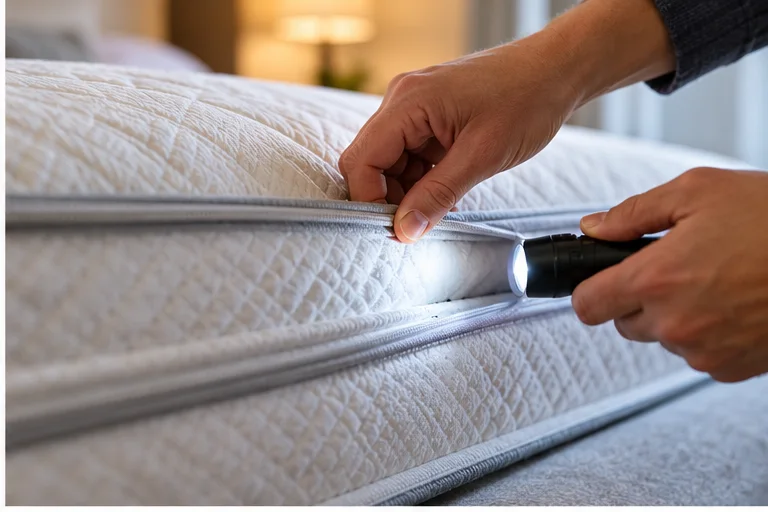
In a very limited, newly confirmed case, thorough inspection, targeted laundering and drying, vacuuming, encasements and monitoring can be useful. The work is repetitive, and avoiding cross-contamination matters.
When professional help is preferable
Seek a licensed, experienced bed bug professional when evidence is widespread, you live in a multi-unit building, earlier efforts have failed, or you cannot safely access the affected areas. Coordinated building-level treatment may be necessary.
Questions worth asking
Ask about inspection, proposed methods, visits and follow-up, preparation requirements, treatment limitations, written guarantees, safety precautions and what happens if activity returns. Get estimates in writing.
Avoid one-visit promises
Be wary of anyone promising instant eradication without inspecting, or insisting that you discard all furniture. Ask how they will monitor and confirm success.
Keep records
Save dates, photographs, invoices and instructions. A simple log can make it easier to evaluate whether activity is decreasing.