Editorial review: October 17, 2026 · Educational guide · Treatment
In brief: Heat, steam, vacuuming, encasements and pesticides each have a role. We focus on what you can verify and which steps are safe and realistic.
Combine methods
The EPA recommends integrated pest management: a deliberate combination of inspection, cleaning, nonchemical methods, monitoring and appropriately used treatments. Infestations can take weeks or months to resolve.
High heat for fabrics
The EPA advises using a clothes dryer on high heat for 30 minutes for dryer-safe bedding and clothing. Washing by itself generally is not enough. Keep treated items in clean bags or containers until the problem is controlled.
Steam and vacuuming
Steam can treat appropriate seams, cracks and fabrics when used correctly, but the temperature must be adequate and airflow should not scatter insects. Vacuuming removes accessible insects and debris but misses many protected hiding places. Empty or dispose of vacuum contents promptly and securely.
Encasements and interceptors
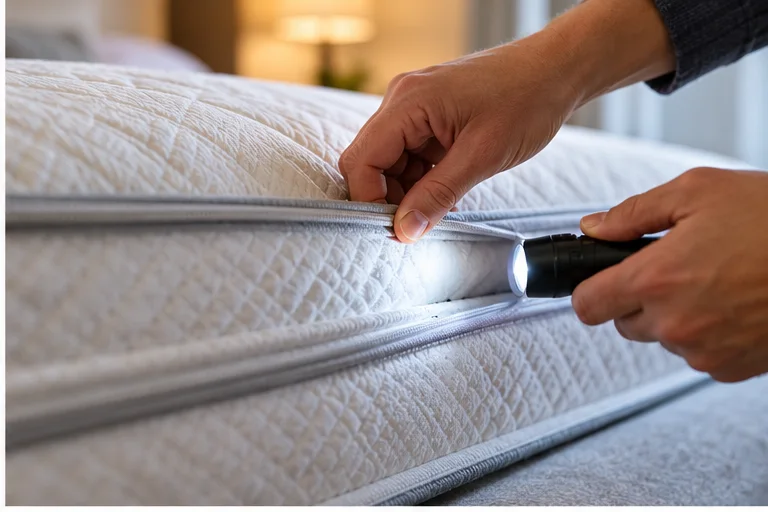
A purpose-built zippered mattress and box-spring encasement can simplify inspection and isolate bugs trapped inside when installed and maintained correctly. Interceptor cups under bed legs can help monitor movement. Neither is a complete cure on its own.
Pesticide safety
Use only products legally approved for the intended indoor location and labeled for bed bugs. Follow all instructions. Never use outdoor agricultural chemicals indoors or apply pesticides to skin. A qualified pest professional can tailor treatment to the situation.
Why foggers disappoint
Total-release foggers usually do not penetrate cracks and seams well enough to control an infestation alone. Misuse can cause poisoning, fire or explosion. The EPA advises against relying on them as a stand-alone solution.